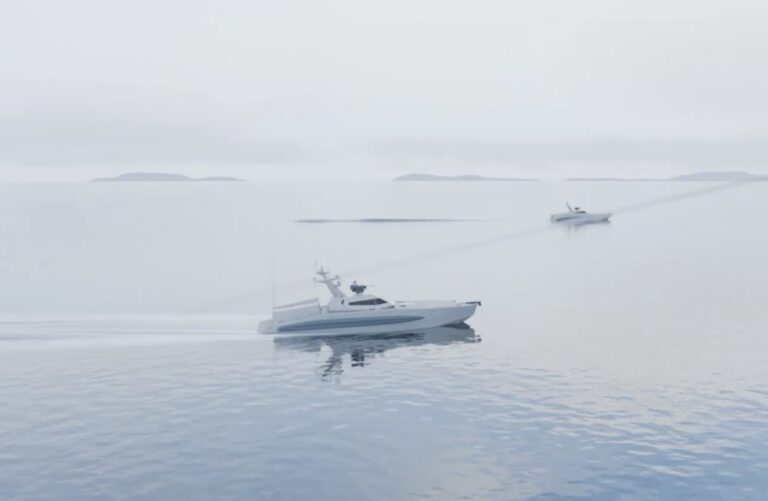
KSR X33 uncrewed attack boat
 Atmaca anti-ship missiles
 Next Generation Corvettes
 JAPAN
Japan Seeks Record $55.6 Billion Defense Budget With AI, Attack Drones and Hypersonic Missiles
The request sets aside $1 billion to buy hypersonic missiles and $89 million to develop a version that can be launched from underwater platforms.
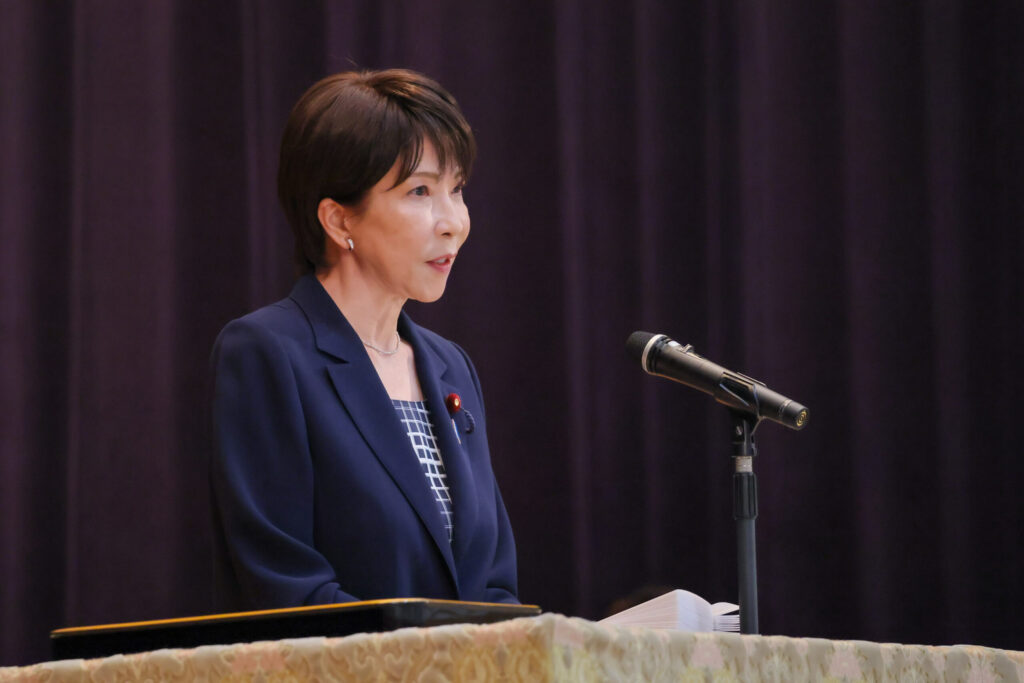
Japan’s Ministry of Defense has asked for a record 8.9 trillion yen ($55.6 billion) for fiscal 2027, and the shopping list leans heavily on artificial intelligence, unmanned systems, and long-range strike weapons.
It is the largest request the ministry has made. As a request, it is not yet final, and the amounts can change before the budget is adopted.
AI in the Command Chain
The ministry wants to build AI directly into command and control through an integrated platform meant to speed up battlefield assessments, target selection, and other military decisions.
At the center could be an “AI orchestrator” that coordinates several AI systems, combining US-developed technology with Japanese models, according to the Associated Press.
Drones and Long-Range Missiles
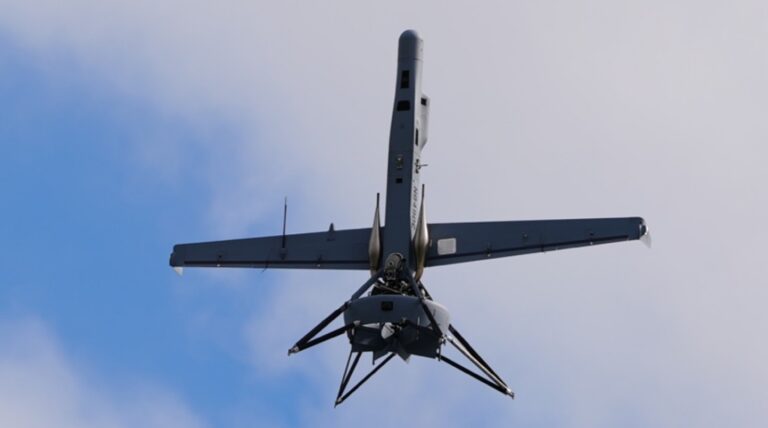
Tokyo also wants to buy low-cost attack drones, both aerial and underwater, to operate alongside its growing stock of long-range missiles.
The budget document lays out plans for a hypersonic guided missile that can be fired from beneath the sea. It refers only to an “underwater platform” rather than naming a submarine class. The request includes 14.2 billion yen ($89 million) for hypersonic missile development and 167 billion yen ($1 billion) to acquire hypersonic missiles, NextGen Defense reported. The new weapon is expected to draw on the Type 25 Hyper Velocity Gliding Projectile, Japan’s domestically developed glide weapon for remote island defense.
Ships and Submarines
The request also funds upgraded Mogami-class frigates with stronger air defense and anti-submarine capabilities, and more Taigei-class submarines, which are replacing Japan’s older boats.
Why Now
China’s growing military pressure is a major driver of the spending push. The plan also reflects lessons from recent wars, particularly the expanding role of drones and other new technology in Ukraine.
A further aim is to strengthen domestic weapons production and lower the risk of supply disruptions.
The request comes under Prime Minister Sanae Takaichi, whose government has been raising defense spending.

 SOUTHEAST ASIA · 18 NOV