 KSR X33 uncrewed attack boat
 Next Generation Corvettes
 MALAYSIA
Malaysia Picks Roketsan Atmaca Missiles for Littoral Combat Ships After Norway Blocks NSM
Buying a new missile system outright could have cost up to 900 million ringgit, the defense minister said, so Kuala Lumpur is drawing on an order already placed.
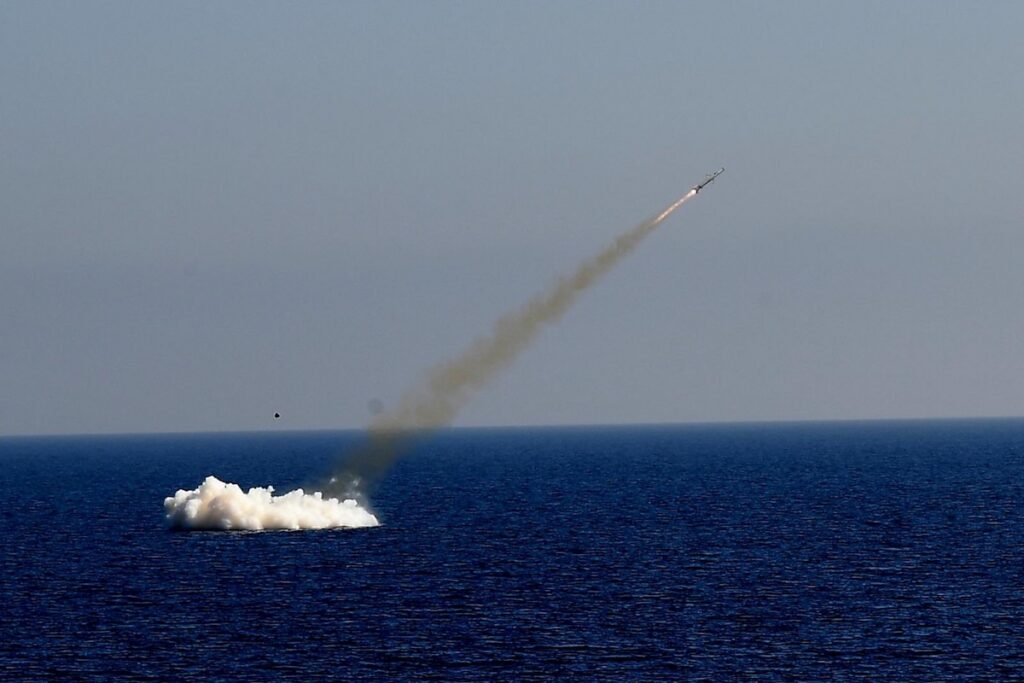
Malaysia will arm its five new Littoral Combat Ships with Turkish Atmaca anti-ship missiles drawn from an order it has already placed with Roketsan, after Norway pulled the export licenses for the Naval Strike Missiles the ships were meant to carry.
Defense Minister Mohamed Khaled Nordin said at a press conference that the Atmaca won over competing offers from France and Italy, with cost and delivery time as the deciding factors, the New Straits Times reported.
Reusing an Existing Order
Kuala Lumpur had ordered 24 Atmaca missiles for its Littoral Mission Ship Batch 2 program, which covers three corvettes being built in Turkey. Part of that batch will now go to the Littoral Combat Ships instead.
Nordin said buying an entirely new missile system could have cost between 700 million and 900 million ringgit ($171 million to $220 million). Drawing on the existing order cuts that bill sharply, he said, leaving extra spending mainly for launchers and integration. Deliveries of the Atmaca could start as early as 2028.
The five Maharaja Lela-class ships are based on Naval Group’s Gowind corvette design and are being built by Lumut Naval Shipyard in Malaysia. They are due for staggered delivery between April 2027 and April 2029.
Why the NSM Fell Through
Malaysia signed a supply contract for the Naval Strike Missile with Kongsberg Defence & Aerospace in 2018 to replace its 29-year-old Exocet MM40 Block 2 missiles. Norway has since revoked the export licenses, citing a changed security environment and tighter controls on sensitive defense technology.
Integration Questions
Nordin said Malaysia has been assured that the Atmaca is compatible with SETIS, the Naval Group combat management system fitted to the ships. Naval News reported that several details remain open, including how the missiles will be physically installed and linked to SETIS.
Former Turkish Navy officer Tayfun Ozberk said the missile could be fired from a dedicated console in the ship’s Combat Information Center without SETIS integration. “During its early testing, the missile was fired from TCG Kınalıada using a standalone console,” he said. That setup keeps the weapon’s capability but asks more of the crew, while full integration would make it easier to use within the ship’s wider combat system.
The Missile
Roketsan began developing the Atmaca in 2009 to replace the Harpoon on Turkish frigates and corvettes, and it entered Turkish service in 2021. According to Roketsan, it carries a 220-kilogram (485-pound) warhead and reaches up to 250 kilometers (155 miles), using inertial and GPS guidance with barometric and radar altimeters.
Indonesia was the first export customer, ordering 45 missiles before Malaysia placed its own order.

 SOUTHEAST ASIA · 18 NOV
 LOCAL INDUSTRY · 16 NOV